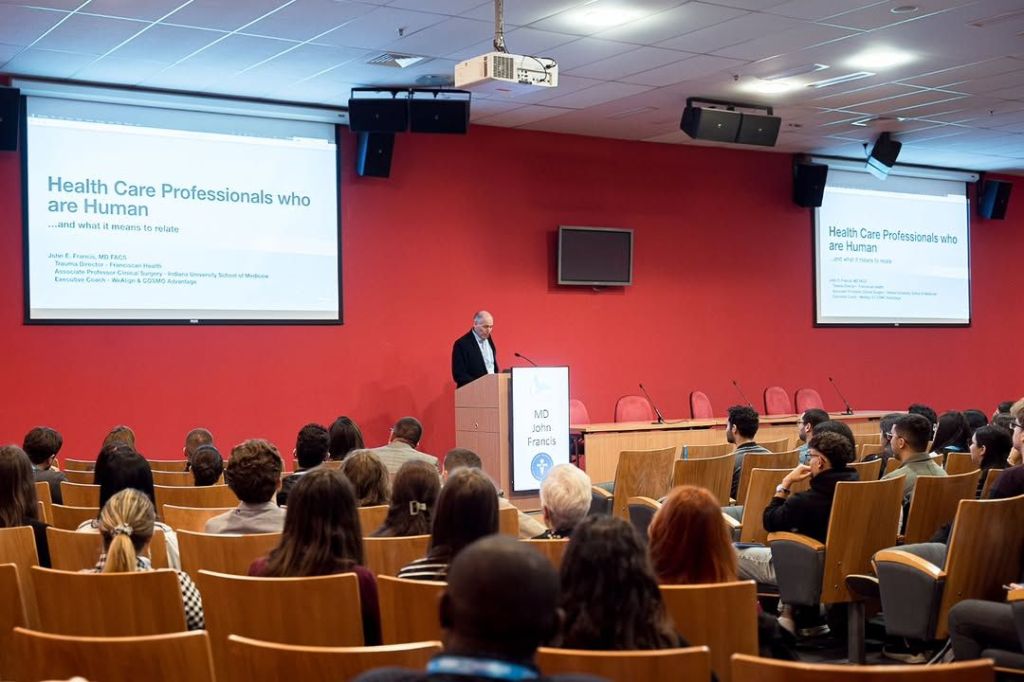
I attended a conference over the weekend, and honestly? It was exactly what I expected it to be:
Impactful and inspiring.
I think what excited me the most was knowing I’d be in a room full of credible, experienced, very learned doctors especially since it was my first paid conference. I had high expectations. I just wanted to see them, hear them speak, maybe even try to talk to a few of them. (Emphasis on try. Because wow, the nerves.)
I managed to attend several lectures and join a workshop, and three sessions in particular hit me the hardest.
They reminded me of something simple but heavy:
Medicine is not child’s play.
It requires commitment, integrity, and the ability to carry a huge amount of trust — emotionally, mentally, and physically.
One doctor joked, “If you can’t handle humans and everything they come with, you might as well start selling ice cream.”
Not verbatim, but the message landed, sparking a wave of chuckles across the room
But beneath the humor was something deeper:
How much our own brain states influence the kind of care we offer.
Which brings me to one of the biggest lessons I walked away with:
We must model calm to inspire calm.
Here are a few things we talked about that stayed with me:
🔹 The brain only sees what it knows. If we don’t understand trauma, emotional cues, or stress responses, we’ll miss important signs in our patients.
🔹 Connection comes from relational circuits. When people are overwhelmed with life stresses, their “window of tolerance” shrinks. Our relational circuits—the systems that help us feel safe and regulate through connection—can shut down during these period. These circuits are shaped by early relationships, support emotional regulation, and are disrupted by trauma. When they’re offline, it becomes harder to function normally, stay connected, or learn effectively from mistakes.
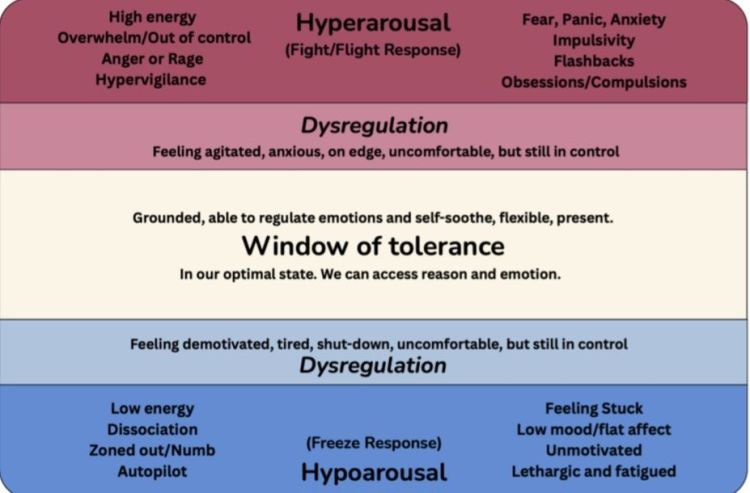
🔹 Emotional Quotient(EQ) > Intelligence Quotient(IQ) in real clinical practice. Training, skills don’t teach you to be a good leader. With EQ, you have the emotional ability to reset a tight window. How?
With VCR, Validate, Comfort, Return to Joy.
Without the EQ, you can be smart but yet not a professional.
🔹 Validation is not optional. Before sharing difficult news, we have to help patients feel safe, seen, and regulated. The lowest part of the brain needs validation.
Also, validate yourself. Lying to yourself to appear professional narrows your window and further affects how your patient see and connect with you. It’s okay to not know it all. Own it and learn.
🔹R.A.R.E Physician leadership
- Remain Relational
- Act Like Yourself
- Return to Joy
- Endure Hardship well
So much was taught, far more than i can summarize in one post and trust me, If I could write them all, I would but guess what, It was a paid conference for a reason.
I met some very amazing people and had loads of food too.


My biggest takeaway?
Medicine is both science and humanity.
Our presence matters just as much as our precision. Also, be patient for your patient.
My personal addition?
Be a good human — not just a good doctor.
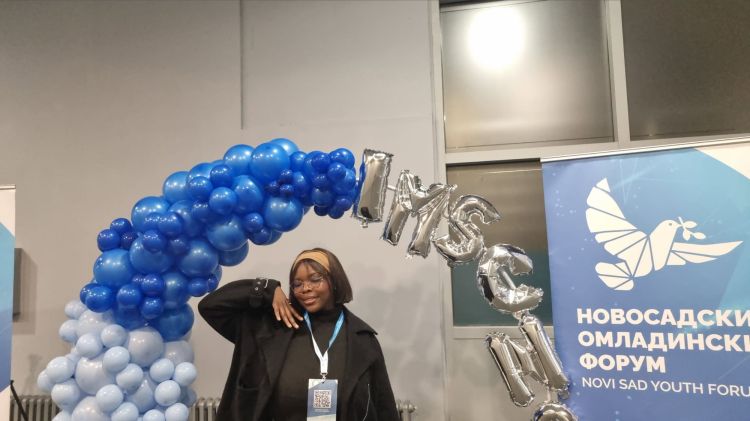

I wish I had taken more pictures, but oh well — I guess I have enough to remember that it was a good memory from 2025.
 ELLA SOFTLY