What do women want?
Or rather, what do human beings need
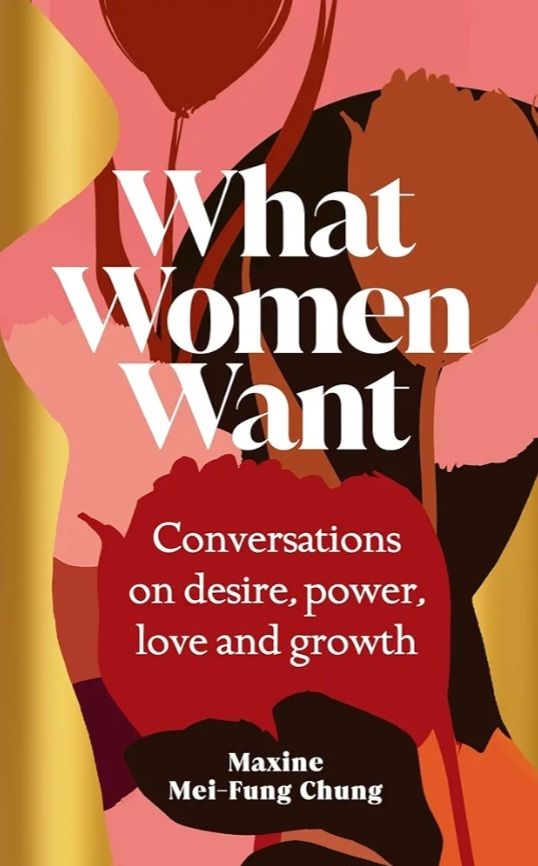
I started this psychotherapy book, ‘What Women Want: conversations on Desire, power, love, and Growth”
The title was captivating and I got it out of eagerness to know more about what I want that I may not quite be aware of and admit to.
The Author; a psychotherapist shares her experience with seven of her clients as she sheds light on our fundamental needs and desires.
I haven’t finished the book but so far, two of her clients really stood out to me.
Kitty and Ruth
Kitty was sent to boarding school at age 11 by her parents who left for Asia with her older Brother. For the longest, she had felt abandoned, unwanted, and betrayed, and had constant anxiety, desiring and craving external validation.
On the other hand, Ruth had her parents with with a twist.
At 13, her mum remarried, and her dad was gone with his new family. However, her new stepfather was cruel, constantly reminding her that she was alone since her dad left and turning blames onto her.
Growing up, Kitty and Ruth had something in common.
That feeling of abandonment igniting the lack of trust.
That longing to be seen, heard, and accepted.
And often times, they found themselves consumed by “what if” questions, trying to fill the gaps of uncertainty.
It affected them differently as they were different circumstances
Kitty preferred bonding with strangers, was fearful of intimacy, and resisted nurture and kindness.
Ruth had a controlling tendency that pushed people away, she had purging disorder and obsessive-compulsive disorder. As exhausting as it was, it helped her cope and gave her a sense of control.
This demonstrates the truth about how one’s childhood can really impact them all around.
People say Charity begins at home and for the longest, I didn’t quite get it till after reading Kitty’s story.
Charity is caring.
It’s giving.
It’s loving.
You are better at caring because you understand the essence of caring and you do it without expectations.
When you’re loved at home, you feel fulfilled. No one has to ask questions like, ‘Aren’t you loved at home?” Because you are. It doesn’t show by how you give love but how you receive it as well.
You give better cause your heart is full.
I understood the essence of healing better from reading Ruth’s story
Healing is hard.
When we talk about healing, the question isn’t always about what you have to do to heal. It’s about how
How do you even know you need to heal?
And heal from what exactly?
Some people have flaws they subconsciously develop to cope with and later see them as innate traits.
Sometimes, It’s the recognition of healing that makes it quite hard.
Knowing you have to heal from something you didn’t cause.
Healing without closure.
Healing without an apology.
The Author spoke about how the fear of abandonment or whatever it may be, or the imagining of it, can hurt one more than the act of avoiding it.
Kitty had to acknowledge, accept, and feel those emotions rather than to avoid them. She has to embrace it.
Ruth’s parents were dead and there was never going to be an apology. To heal, she wrote letters to her younger self and once again, acknowledge and embrace the hurt.
Insight: In as much as therapy is good, I think it’s needful that the most important thing that should be and still remain is, “Charity begins at home”
 ELLA SOFTLY